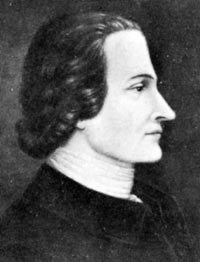
Three primary documents from the ironmaster who came to Pennsylvania as an indentured servant, rose to own the furnace, turned it into a Continental Army munitions factory, and signed the Declaration of Independence.
George Taylor was born around 1716 in Northern Ireland. His exact birthplace is uncertain, though County Antrim is the most cited source. He emigrated to Pennsylvania in 1736 at age twenty, his passage paid by Samuel Savage, an ironmaster at Coventry Forge near Philadelphia. In exchange, Taylor agreed to work off the debt over several years.
He began as a common laborer, shoveling coal into the furnace. When Savage recognized that Taylor could read and write, he made him a clerk in the furnace office. When Savage died in 1741, Taylor married his widow and took over management of the ironworks. He was the only indentured servant to sign the Declaration of Independence, and the only ironmaster among the fifty-six signers.
Taylor served in the Pennsylvania provincial assembly from 1764 to 1769 and again from 1775 onward. Like James Smith, he was one of the five replacement delegates elected on July 20, 1776, sent to Congress in place of delegates who refused to vote for independence. He signed the Declaration on August 2, 1776.
Taylor also served on an Indian Treaty Conference in Easton in January 1777, alongside fellow signer George Walton of Georgia. He was elected to the Pennsylvania Supreme Executive Council in March 1777 but fell ill within weeks and retired from public life permanently. He did not attend another session of Congress or government.
George Taylor · Delegate from Pennsylvania · Ironmaster · born in Ireland 1716 · came to Pennsylvania 1736 as an indentured servant · elected to Continental Congress July 20, 1776 · signed the Declaration of Independence August 2, 1776 · died February 23, 1781 in Easton, Pennsylvania.
Throughout the Revolution, Taylor continued operating Durham Furnace in Bucks County, converting it to produce cannon, cannonballs, shot, and military equipment for the Continental Army and Navy. The furnace operated at what may have been a financial loss to Taylor personally. In 1778 the State of Pennsylvania confiscated Durham Furnace because its owner, James Galloway, was a loyalist, ending Taylor's tenancy. Taylor moved to Easton in 1780 and died there on February 23, 1781, at approximately sixty-four.
His former home in Catasauqua, Pennsylvania, is a National Historic Landmark. He is buried at Easton Cemetery.
If you learned something new or just enjoyed the content, please share it and follow along on X and Substack. This page runs on a passion for our shared history, and a steady supply of caffeine. If you're able, consider buying a coffee. It goes a long way toward keeping the content coming, and helps the project grow into new mediums down the road. My sincere thanks.